




The growth of personalized medicine, including cell and gene therapies and other advanced therapy medicinal products (ATMPs), is redefining how cleanrooms must be designed, constructed and maintained. Unlike conventional pharmaceutical manufacturing, where high-volume, uniform batches are the norm, personalized medicine demands highly flexible production environments capable of supporting multiple unique batches simultaneously, with stringent control and traceability.
Five key considerations must be taken into account at the design stage of new, modular cleanrooms to ensure they are future-proofed and able to meet the specific demands of personalized medicine manufacturing as more and more of them are approved for patient use.
1. Scalability and adaptability for patient-specific production
By their nature, patient-specific autologous treatments have small batch sizes. This means modular cleanrooms must be capable of accommodating single-patient batches, as well as larger multi-batch operations for allogenic treatments, which are intended to treat multiple patients. Designing suites that can be easily reconfigured or scaled, with clear segregation of processing zones, ensures that manufacturers can pivot between different products and workflows without compromising compliance or efficiency.
2. Flexible utilities and process support for diverse therapies
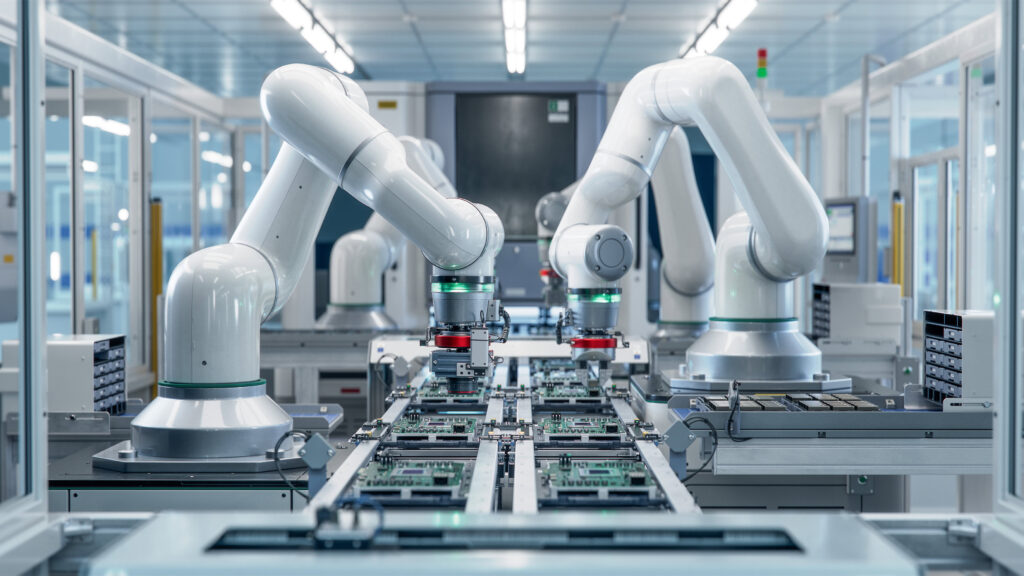
Personalized therapies often involve different processes, equipment and material flows for each patient batch. Fixed utility connections and rigid layouts can limit a facility’s ability to adapt. Incorporating flexible HVAC zoning, adaptable piping and gas delivery systems and modular process connections enables operators to reconfigure spaces quickly to accommodate the needs of different treatments. For example, spaces can be adapted for varying cleanroom grades, closed and open processing, and differing biosafety requirements — all critical for patient safety and batch integrity.
3. Real-time monitoring and control to ensure batch integrity
For therapies where each batch may correspond to an individual patient’s treatment, environmental control is paramount. Any deviation can risk an irreplaceable product. Robust environmental monitoring systems with real-time data capture and automated alerts are essential to mitigate contamination risks and maintain consistent product quality. Advanced analytics and remote monitoring capabilities also support rapid decision-making and corrective action, which is critical for minimizing the impact of any excursions.
4. Modular design for rapid changeover and expansion
Personalized medicine pipelines are dynamic, often requiring additional suites, reconfigured workflows or isolated production spaces as new therapies move through development. A modular cleanroom design – using prefabricated panels, integrated mechanical and electrical systems and plug-and-play utilities – provides the necessary flexibility to expand or modify production areas with minimal disruption. Our turnkey modular cleanrooms also support faster changeovers and reduce downtime, which is particularly valuable when manufacturing patient-specific batches under tight timelines.
5. Regulatory compliance and risk management
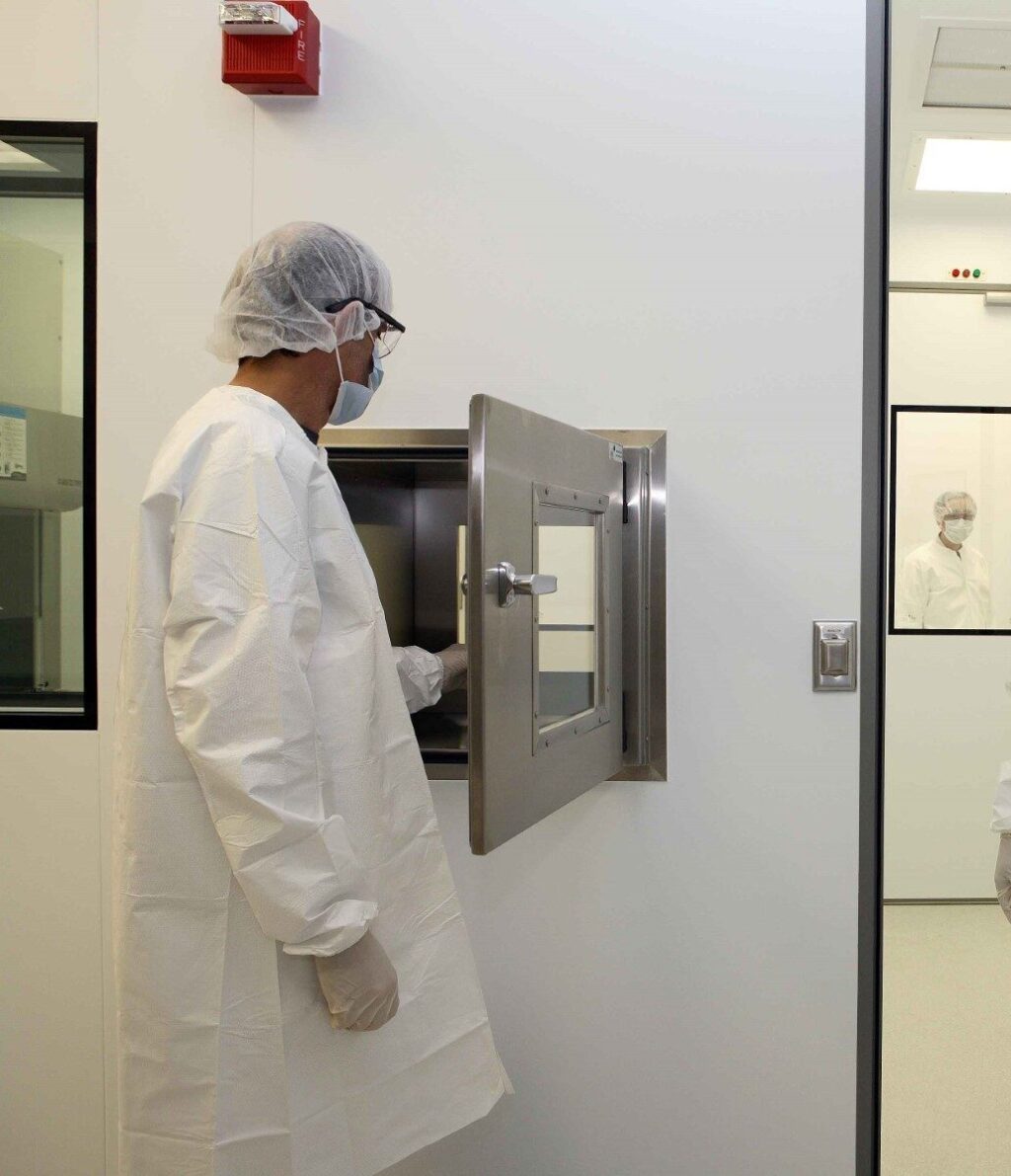
As regulatory scrutiny becomes ever more intense for novel therapies, cleanroom facilities must be designed with compliance at the forefront. Flexible, well-documented systems and clearly defined material and personnel flows are critical to maintaining cGMP standards. A robust risk-based approach to qualification, cleaning and shutdown processes further strengthens compliance and operational resilience.
Case study: Real-world personalized medicine cleanroom design
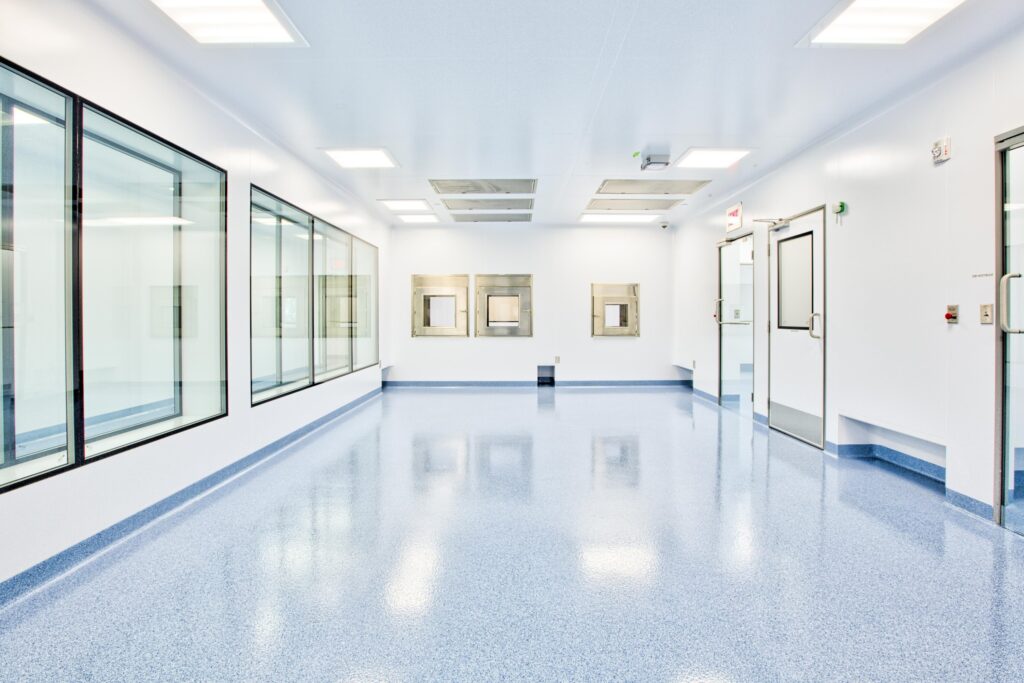
One example of how AES Clean Technology has harnessed these key considerations to develop an ideal cleanroom environment for next-generation personalized medicine is its collaboration with XBiotech. AES was commissioned to design and construct a nearly 17,000 ft² cGMP modular cleanroom within a 40,000 ft² commercial manufacturing facility in Austin, Texas. Leveraging modular wall and ceiling systems, the project emphasized single-use processing technology and maximized utility flexibility to support the production of XBiotech’s True Human™ therapeutic antibodies. The facility was delivered on-time, providing the client with a highly adaptable manufacturing suite capable of scaling alongside evolving process demands and maintaining rigorous environmental control.
Supporting the future of personalized medicine
The personalized medicine revolution calls for cleanroom facilities that can keep pace with rapidly shifting demands, complex batch variability and rigorous regulatory expectations. By prioritizing scalability, flexible infrastructure, real-time control, modularity and robust compliance, manufacturers can build facilities that deliver the adaptability and resilience required for this transformative era in patient care.
Discover how AES Clean Technology can help your facility meet the demands of personalized medicine, contact us today.