We’re happy to talk cleanrooms, the benefits of modular cleanroom construction, and can help you get started with your project.
BioPharma
Helping Biopharmaceutical Teams Speed Up Builds, Reduce Risk, and Meet Strict Regulatory Expectations

Helping Biopharmaceutical Teams Speed Up Builds, Reduce Risk, and Meet Strict Regulatory Expectations

AES Delivers Cleanroom Environments That Match the Pace and Complexity of Life Sciences
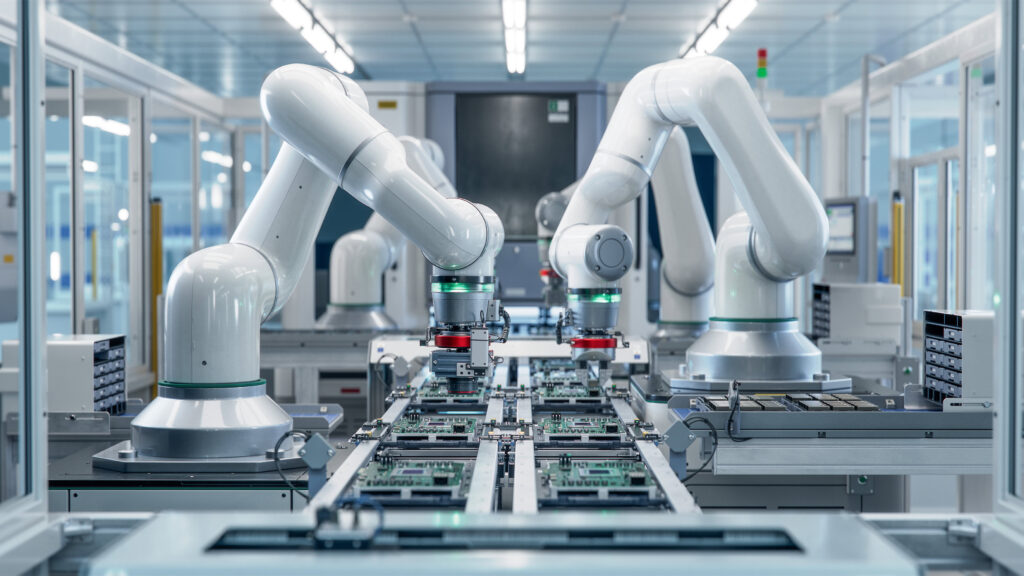
High-Performance Cleanroom Environments for Innovators in Semiconductors, Microelectronics and EV Batteries
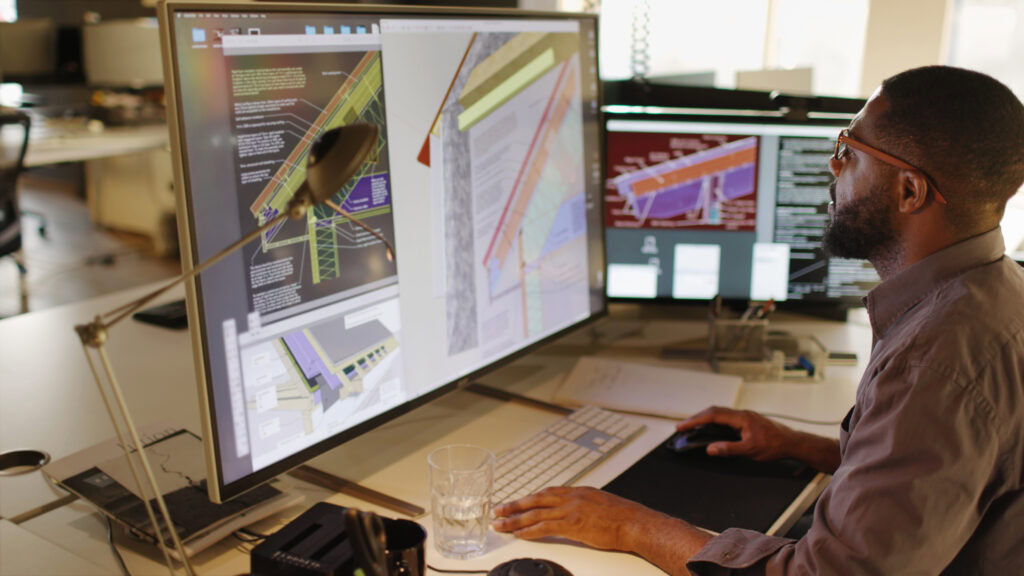
Architectural Expertise for Seamless Cleanroom Delivery

In-House Engineering Solutions That Power Safe, Scalable, and Compliant Cleanroom Operations

Turning Complex Requirements Into Actionable Plans Through Expert Pre-Construction Planning

Modular Cleanroom Construction Built for Regulated Environments and High-Performance

From routine maintenance to emergency repairs, our support solves potential disruptions before they become critical issues.

AES delivers integrated design solutions that build efficient, compliant foundations for your cleanroom success.

AES’s modular panels offer fast, scalable, compliant cleanroom solutions.

AES delivers turnkey cleanrooms with integrated HVAC, streamlining projects from concept to completion.

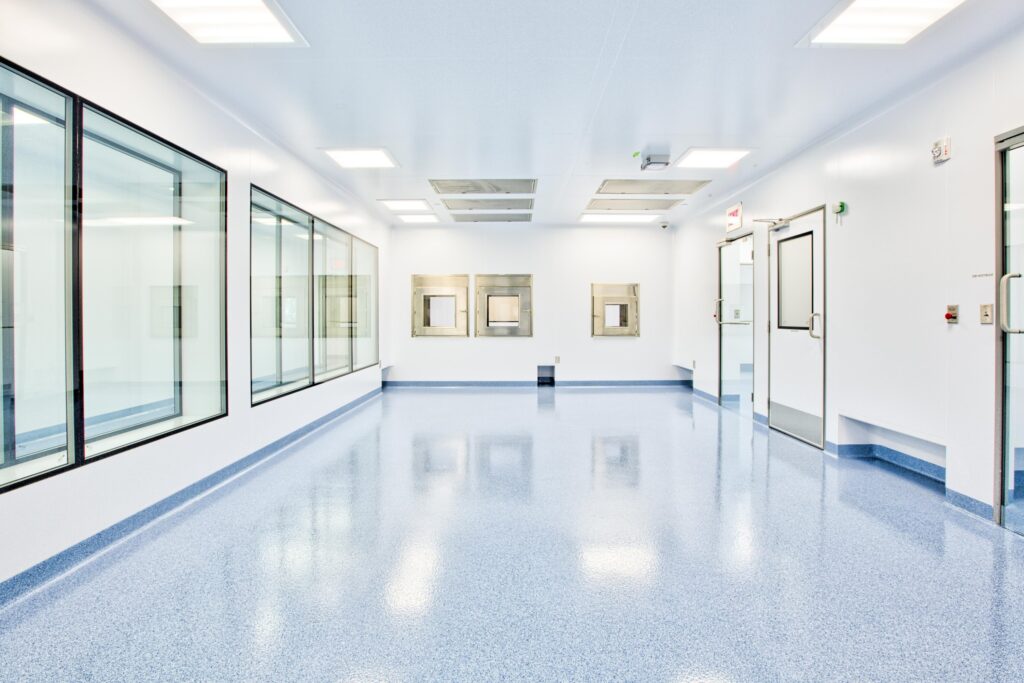
Precision-engineered cleanroom walls and ceilings for durability, compliance, and fast installation.

AES designs GMP-compliant cleanroom windows and doors for safety, access, and clarity.

Cleanroom lighting engineered for superior visibility, safety, and GMP compliance.

Modular cleanroom components built off-site for faster installs, minimal disruption, and quality assurance.
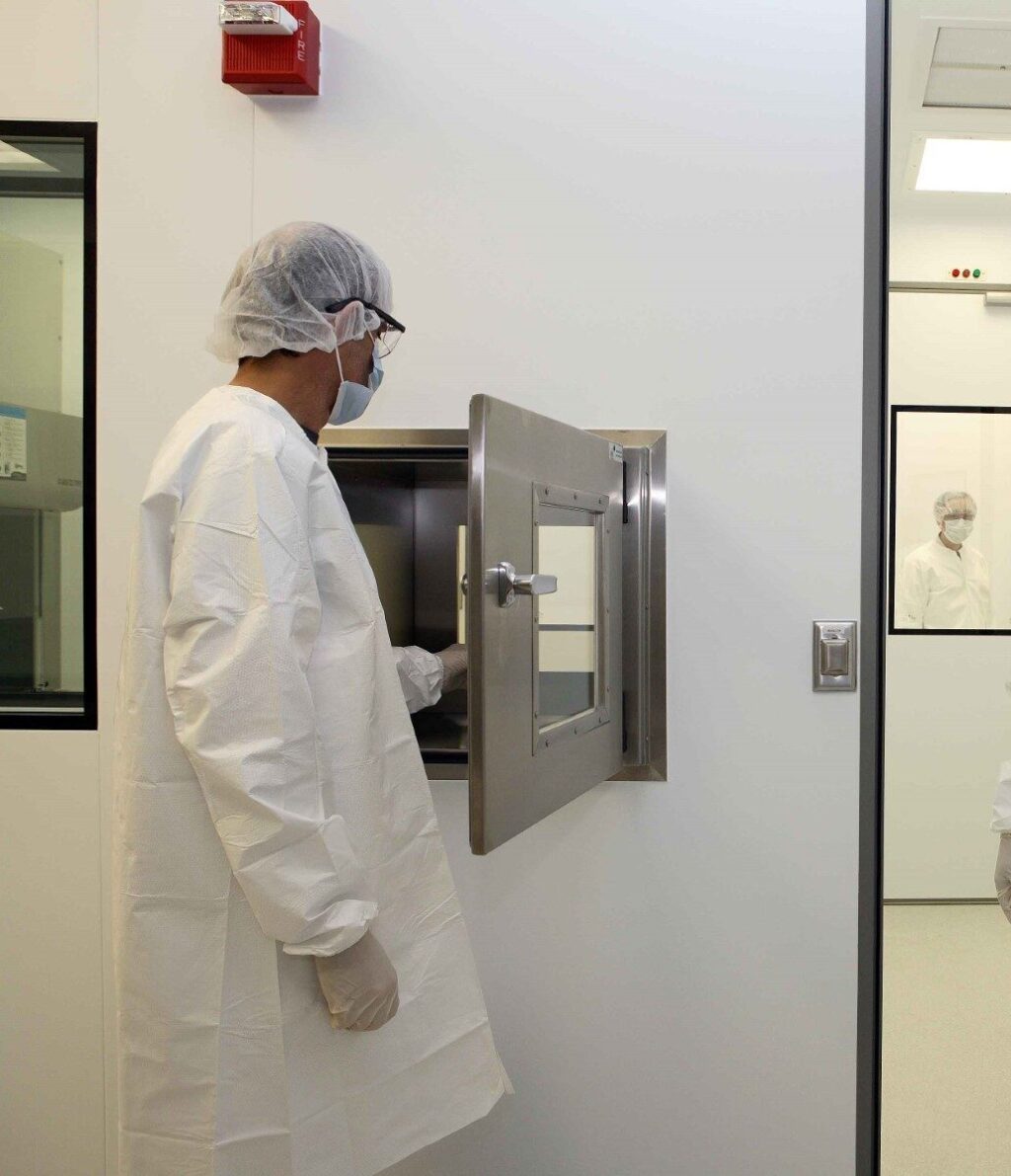
Specialized components to customize and enhance your cleanroom solution.

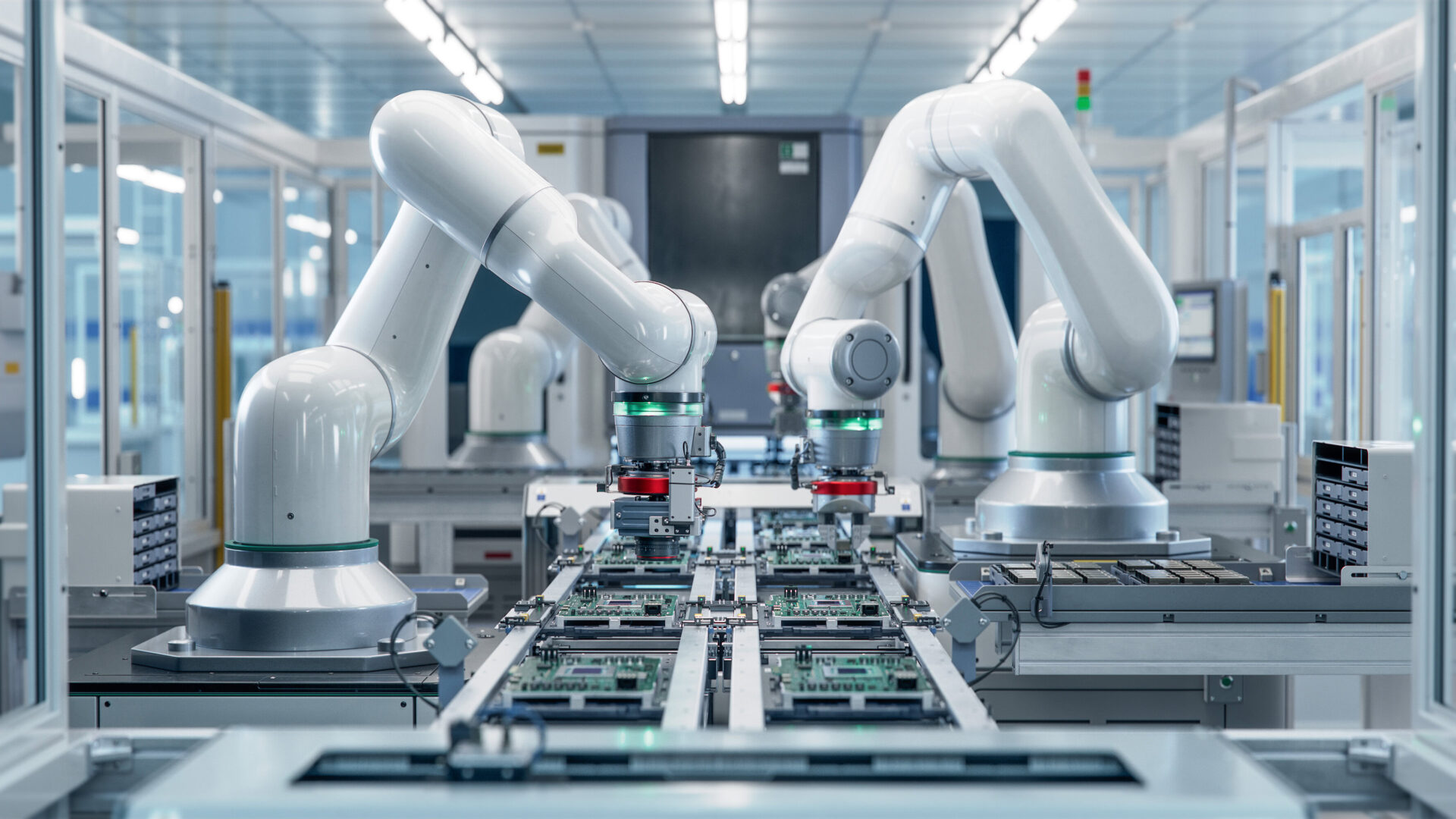
Whether you’re planning your first cleanroom or expanding existing facilities, understanding cleanroom fundamentals is essential for making informed decisions. This FAQ addresses the most common questions about cleanroom technology, construction methods, costs, timelines, and regulatory compliance for pharmaceutical, biotechnology, and advanced technology applications.
A cleanroom is a highly controlled environment designed to minimize airborne particles, contaminants, and pollutants that could compromise sensitive manufacturing processes. These specialized facilities maintain strict regulation of air quality, temperature, humidity, and pressure differentials. Cleanrooms are essential in pharmaceutical manufacturing, biotechnology, semiconductor fabrication, medical device production, and aerospace industries where even microscopic contamination can ruin products or endanger patient safety.
Cleanrooms are classified according to ISO 14644-1 standards based on the maximum allowable particle concentration per cubic meter of air. ISO Class 1 is the strictest (cleanest) and ISO Class 9 is the least stringent. For pharmaceutical and biotech applications, ISO Class 5 through ISO Class 8 are most commonly used. ISO Class 5 (equivalent to Class 100) allows up to 3,520 particles ≥0.5 μm per cubic meter and is used for aseptic filling and sterile processes. ISO Class 7 (Class 10,000) is common for formulation and weighing areas, while ISO Class 8 (Class 100,000) is typically used for gowning rooms and staging areas.
GMP (Good Manufacturing Practice) refers to regulations ensuring products are consistently produced and controlled according to quality standards. cGMP (current Good Manufacturing Practice) indicates compliance with the most up-to-date FDA regulations for pharmaceutical manufacturing. The ‘c’ in cGMP emphasizes that manufacturers must use current technologies and systems, not outdated methods. cGMP cleanrooms require documentation, validation, environmental monitoring, and quality systems that meet FDA 21 CFR Parts 210, 211, and 600-680 requirements.
Cleanrooms are essential across multiple industries including pharmaceutical manufacturing for drug production, biotechnology for biologics and cell therapies, semiconductor and electronics fabrication, medical device manufacturing, aerospace and defense for precision components, nanotechnology research, food and beverage processing, and cosmetics production. The pharmaceutical and biotech sectors account for approximately 44% of the cleanroom technology market, followed by semiconductors and electronics. Emerging markets include EV battery manufacturing and advanced technology sectors requiring contamination-free environments.
A modular cleanroom is constructed using prefabricated wall and ceiling panels manufactured in a controlled factory environment and then assembled on-site. These panels typically feature aluminum honeycomb cores covered with durable finishes such as uPVC or powder-coated aluminum. Modular cleanrooms offer advantages including faster installation, consistent quality control during manufacturing, easier future expansion or relocation, and minimal on-site construction disruption. They can achieve ISO Class 5 (Class 100) classifications or higher and meet all FDA and cGMP requirements for pharmaceutical manufacturing.
Modular cleanrooms offer significant advantages over traditional stick-built construction. Installation time is typically 20-30% faster since panels are pre-engineered and factory-manufactured. Quality is more consistent because controlled manufacturing eliminates variability from on-site craftsmanship. Modular systems produce virtually no construction dust, enabling clean builds alongside active operations. Future modifications and expansions are easier since panels can be reconfigured or relocated. Maintenance costs are lower because modular panels resist moisture, mold, and damage better than drywall. Additionally, modular cleanrooms often qualify as equipment enclosures for favorable tax treatment in the United States.
Stick-built construction may be appropriate in certain situations such as very large facilities, highly customized configurations that don’t fit standard modular dimensions, or when integrating with existing architectural elements. However, stick-built cleanrooms require more skilled on-site labor, generate construction debris that can contaminate adjacent spaces, and may need ongoing maintenance including repainting, re-caulking, and repairs. The interior finishes of stick-built cleanrooms are inherently variable based on workmanship, and hidden moisture can lead to mold growth inside walls. For pharmaceutical and biotech applications where regulatory compliance and long-term reliability are critical, modular construction typically provides superior outcomes.
Yes, one of the primary advantages of modular cleanrooms is their flexibility for reconfiguration, expansion, and relocation. Modular wall and ceiling panels can be disassembled and reassembled at new locations with minimal disruption to operations. Expansions can be accomplished by adding new panels to existing structures. This adaptability is particularly valuable for growing pharmaceutical and biotech companies whose production requirements may change as products advance through development stages. Modular designs also future-proof facilities against changing regulatory standards or process modifications.
Cleanroom costs vary significantly based on classification level, complexity, and project-specific requirements. The ISO classification is the single largest cost driver—stricter cleanliness standards demand more HEPA filtration, higher air change rates, and more sophisticated HVAC systems. Other factors that influence investment include temperature and humidity precision, material specifications, facility size, and features like air showers, pass-throughs, and airlocks. That said, choosing the right partner is just as important as the price. A vertically integrated design-build firm like AES Clean Technology offers distinct advantages—we design, manufacture, install with our own certified field crews, and provide ongoing maintenance and service, all under one roof. This single-source accountability eliminates coordination gaps between contractors, ensures consistent quality at every stage, and protects your investment over the facility’s lifetime.
Multiple factors influence cleanroom investment beyond classification level. HVAC systems represent a substantial portion of total project costs, with tighter temperature and humidity tolerances requiring more sophisticated equipment. Material selection affects both initial and lifecycle costs—pharmaceutical-grade FRP walls or stainless steel command premiums over standard finishes, but offer superior durability and cleanability. Size and layout complexity impact costs through economies of scale for larger projects, while multiple rooms, airlocks, and pass-throughs add complexity. Geographic location affects labor rates and logistics. Process equipment heat loads influence HVAC sizing requirements. For pharmaceutical applications, FDA validation documentation and quality system requirements add to overall project investment. An experienced cleanroom partner can help optimize the balance between initial costs and long-term operational efficiency.
Cleanroom operational costs include energy consumption, which represents 50-70% of ongoing expenses primarily for HVAC systems that must run continuously to maintain air quality. HEPA filter replacement accounts for 10-20% of operational costs, with replacement intervals depending on classification level (typically every 6 months for ISO Class 5, annually for ISO Class 6+). Preventive maintenance represents 10-15% of costs, while validation, testing, and recertification add 5-10%. Personnel gowning consumables, cleaning supplies, and environmental monitoring also contribute to operating budgets. Energy-efficient designs and regular maintenance can significantly reduce lifecycle costs.
Cleanroom construction timelines vary based on size, complexity, and approach. Modular cleanrooms can be installed in a few days to several weeks for typical projects, while larger or more complex facilities may take several months. Stick-built cleanrooms typically require 20-30% more calendar time due to sequential trades, drying times for applied finishes, and inspection hold points. Beyond physical construction, project timelines must account for conceptual planning and design (4-8 weeks), engineering and documentation (4-12 weeks), permitting if required (2-6 months depending on jurisdiction), equipment procurement and delivery (varies), and certification and validation (1-2 weeks). Most manufacturers recommend beginning planning discussions at least six months before the needed operational date.
Comprehensive cleanroom planning involves multiple considerations beginning with defining operational requirements including ISO classification, temperature and humidity ranges, airborne particle limits, and pressure differentials. Space planning addresses equipment layout, material and personnel flows, and expansion provisions. Mechanical and electrical engineering determines HVAC capacity, air change rates, filtration requirements, and utility connections. Code compliance ensures adherence to building codes, fire safety, and accessibility requirements. For pharmaceutical applications, validation planning addresses FDA requirements for installation qualification (IQ), operational qualification (OQ), and performance qualification (PQ). Working with an experienced design-build partner streamlines this process by integrating all disciplines.
Conceptual facility planning is an early-stage consulting process that helps organizations define their cleanroom requirements before committing to detailed engineering and construction. This strategic phase evaluates operational needs, regulatory requirements, future growth projections, and budget constraints to develop optimal facility concepts. Deliverables typically include preliminary layouts, process flow diagrams, equipment lists, budget estimates, and schedule projections. Effective conceptual planning prevents costly changes during construction by identifying requirements and constraints early. It bridges the gap between business strategy and facility design, ensuring the cleanroom solution aligns with long-term operational goals and regulatory compliance needs.
Cleanroom air filtration relies on High-Efficiency Particulate Air (HEPA) or Ultra-Low Particulate Air (ULPA) filters to remove airborne contaminants. HEPA filters capture 99.97% of particles 0.3 microns or larger, while ULPA filters achieve 99.999% efficiency for particles 0.12 microns or larger. Air is continuously recirculated through these filters at rates specified by classification (20-60 air changes per hour for ISO Class 8, up to 600+ for ISO Class 5). Cleanrooms typically use either ducted HEPA systems with ceiling diffusers or fan filter units (FFUs) integrated into ceiling grids. Laminar (unidirectional) airflow patterns direct filtered air downward to sweep particles toward floor-level returns, while turbulent flow designs are appropriate for less critical applications.
Cleanroom HVAC systems must control multiple parameters beyond standard comfort conditioning. Temperature is typically maintained at 68-72°F (20-22°C) with precision from ±2°F for general applications to ±0.5°F for semiconductor processes. Humidity ranges from 30-50% relative humidity to prevent static discharge and microbial growth. Positive pressure differentials (typically 0.03-0.05 inches water gauge between adjacent spaces) prevent contamination infiltration. High outdoor air volumes are required to replace exhausted process air and maintain pressurization. These demanding requirements result in HVAC systems that consume significantly more energy than standard buildings, making energy efficiency a critical design consideration.
Cleanroom construction materials must be non-porous, easy to clean, chemically resistant, and minimally particle-generating. Walls typically use fiberglass-reinforced plastic (FRP), stainless steel, aluminum with powder coating or uPVC finish, or specialized cleanroom-grade panels with honeycomb cores. Flooring options include heat-welded vinyl with integral cove base, epoxy coatings with urethane topcoats, or static-dissipative formulations for electronics applications. Ceiling systems use washable tiles or walkable panels for facilities requiring access above. All materials must withstand rigorous cleaning protocols using pharmaceutical-grade disinfectants. Corners are coved with 3-inch or larger radii to eliminate particle traps and facilitate cleaning.
Pharmaceutical cleanrooms are regulated by multiple authorities including the FDA (Food and Drug Administration) in the United States through 21 CFR Parts 210 and 211 for drug manufacturing and 21 CFR Parts 600-680 for biologics. The European Union requires compliance with EU GMP Annex 1 for sterile product manufacturing. Other applicable standards include ISO 14644 for cleanroom classification and monitoring, USP <797> and <800> for pharmacy compounding, and PIC/S GMP guidelines for international manufacturing. These regulations address facility design, environmental monitoring, personnel practices, documentation, validation, and quality systems. Compliance requires ongoing monitoring, periodic revalidation, and documented evidence of control.
Cleanroom certification verifies that the facility meets its specified classification through a series of standardized tests. Particle counting measures airborne particle concentrations using laser particle counters at defined sample locations during operational and at-rest states. Airflow velocity measurements confirm proper HVAC performance. Pressure differential testing verifies room pressurization. Filter integrity testing ensures HEPA/ULPA filters have no bypass leaks. Microbial sampling using settling plates and active air sampling confirms sterility for pharmaceutical applications. ISO 14644 specifies testing frequencies: every 6 months for ISO Class 5 and annually for ISO Class 6 and above. Documentation of all certification testing is essential for regulatory compliance.
Environmental monitoring is the ongoing surveillance of cleanroom conditions to ensure continued compliance with specifications. For pharmaceutical cleanrooms, this includes continuous non-viable particle monitoring at critical points, periodic viable (microbial) monitoring through surface sampling and air sampling, and continuous recording of temperature, humidity, and pressure differentials. EU GMP Annex 1 emphasizes integrating particle monitoring, surface monitoring, and active air sampling for comprehensive environmental control. Trend analysis of monitoring data identifies potential problems before they cause contamination events. Environmental monitoring programs require documented procedures, trained personnel, calibrated equipment, and established alert and action limits.
Key cleanroom technology trends include increased adoption of modular and prefabricated construction for faster deployment and flexibility. Sustainability initiatives are driving energy-efficient HVAC designs, LED lighting, and energy recovery systems. Smart cleanrooms incorporate IoT sensors and real-time monitoring for predictive maintenance and automated environmental control. Contamination control innovations include automated airlocks, UV-C disinfection integrated with HVAC systems, and robotics for material handling to reduce human contamination sources. The cell and gene therapy sector is driving demand for flexible, smaller-scale manufacturing environments. Advanced technology sectors including semiconductor, EV battery, and aerospace are expanding cleanroom adoption for precision manufacturing.
The global cleanroom technology market is experiencing strong growth, valued at approximately $8-10 billion in 2025 with projected growth to $14+ billion by 2030 at a compound annual growth rate of 6-7%. Key growth drivers include expanding semiconductor manufacturing capacity fueled by CHIPS Act investments, accelerating cell and gene therapy development, and rising battery gigafactory construction for electric vehicles. North America represents approximately 40% of the global market due to stringent regulatory requirements and concentration of pharmaceutical and biotech companies. Asia-Pacific is the fastest-growing region at 6-8% CAGR driven by semiconductor expansion in Taiwan, South Korea, and China. Pharmaceutical and healthcare applications account for approximately 44% of market share.
Sustainability in cleanroom design focuses on reducing the significant energy consumption these facilities require. Advanced HVAC strategies include variable speed drives for air handling units, energy recovery systems that recapture exhaust air energy, and optimized air change rates based on occupancy and process requirements. LED lighting reduces electrical consumption and heat load. Modular construction generates less waste than traditional building methods and enables reuse when facilities are reconfigured. Low-energy filtration technologies and biodegradable consumables are emerging. Building automation systems optimize energy use based on real-time conditions. These approaches can reduce energy consumption 20-40% compared to conventional designs while maintaining required cleanliness levels.
When selecting a cleanroom partner, evaluate their experience with projects similar in size, classification, and industry to your requirements. Look for full design-build capability including conceptual planning, engineering, manufacturing, installation, and certification services. Verify they have PE-stamped engineering drawings capacity for permitting requirements. Review their quality systems, manufacturing facilities, and installation crews—dedicated factory-trained installers produce more consistent results than local subcontractors. Assess their understanding of your regulatory requirements (FDA, cGMP, EU GMP as applicable). Request references from comparable projects and evaluate their warranty terms and ongoing support capabilities. A true cleanroom partner provides integrated solutions rather than just construction services.
An integrated cleanroom partner combines all disciplines—design, engineering, manufacturing, and installation—under single-source responsibility. This integration eliminates coordination gaps between separate contractors that often cause delays, cost overruns, and quality issues. Design decisions are informed by manufacturing constraints and installation realities. Engineers understand regulatory requirements and can incorporate compliance features from the start. When questions arise during construction, answers come from the same team that created the design. Validation and certification are planned as part of the project rather than afterthoughts. An integrated partner’s stake in the entire project lifecycle creates accountability for outcomes, not just individual scope elements.
Aftermarket cleanroom support encompasses services that maintain facility performance after construction is complete. These services include preventive maintenance programs for HVAC systems, filters, and controls; certification and recertification testing; filter replacement and environmental monitoring; spare parts supply; repairs and modifications; and revalidation services after changes. Comprehensive aftermarket programs help facilities maintain regulatory compliance, extend equipment life, reduce unexpected downtime, and optimize energy performance. The best cleanroom partners offer aftermarket support as a natural extension of their construction services, applying their intimate knowledge of facility design to ongoing maintenance.