






As pharmaceutical manufacturing evolves, cleanroom design must do more than meet regulatory demands. It must enable smarter, faster and safer production environments. While digital tools like computational fluid dynamics (CFD) and building information modeling (BIM) have already modernized cleanroom design, artificial intelligence (AI) is poised to deliver the next leap forward.
By analyzing large volumes of environmental and operational data, AI can help optimize cleanroom design, streamline operations and improve long-term performance. Here are five ways AI is expected to transform cleanroom efficiency and contamination control in the years ahead.
1. Designing smarter with data
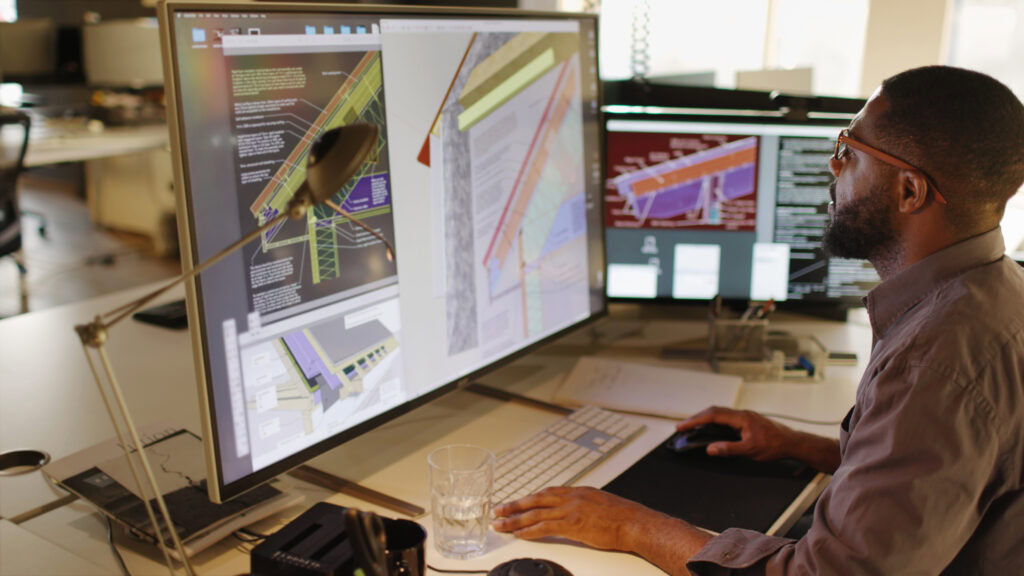
In traditional cleanroom projects, engineers rely on CFD and BIM to simulate airflow, identify inefficiencies, and coordinate mechanical systems. AI enhances this process by quickly analyzing complex environmental data to develop optimized layouts and improve contamination control strategies.
Future AI tools may:
- Identify alternative high-efficiency particulate air (HEPA) filter locations for better coverage
- Model airflow dynamics based on actual environmental data to reduce dead zones
- Suggest design changes that improve air turnover while conserving energy
By learning from thousands of past design scenarios and operational outcomes, AI will enable cleanroom layouts that are purpose-built for performance and efficiency from day one.
2. Optimizing HVAC and filtration systems
Heating, ventilation and air conditioning (HVAC) systems are critical to cleanroom performance, but they also represent a major operational cost. Historically, cleanroom HVAC has been overengineered to ensure compliance. AI offers a path toward a more balanced approach, maintaining standards while improving efficiency.
AI-powered optimization can:
- Potentially adjust air changes per hour (ACH) based on process needs and occupancy
- Predictively balance airflow to account for equipment layout or environmental load
- Identify areas where local filtration or air returns can resolve stagnation issues
These insights allow cleanroom designers and facility engineers to create high-performance HVAC systems that reduce energy waste without compromising control.
3. Enabling predictive maintenance
Unplanned downtime in pharmaceutical facilities can be extremely costly. AI allows cleanrooms to move from reactive to predictive maintenance strategies by monitoring equipment in real time.
With input from embedded sensors that track in real time factors like airflow velocity, vibration, pressure differential and motor temperature, AI systems can:
- Detect early warning signs of equipment failure
- Recommend maintenance actions before performance is affected
- Reduce reliance on scheduled service intervals that may be inefficient
By identifying anomalies before they escalate, AI minimizes disruption, extends the life of equipment and helps ensure continuous environmental compliance.
4. Automating operational control
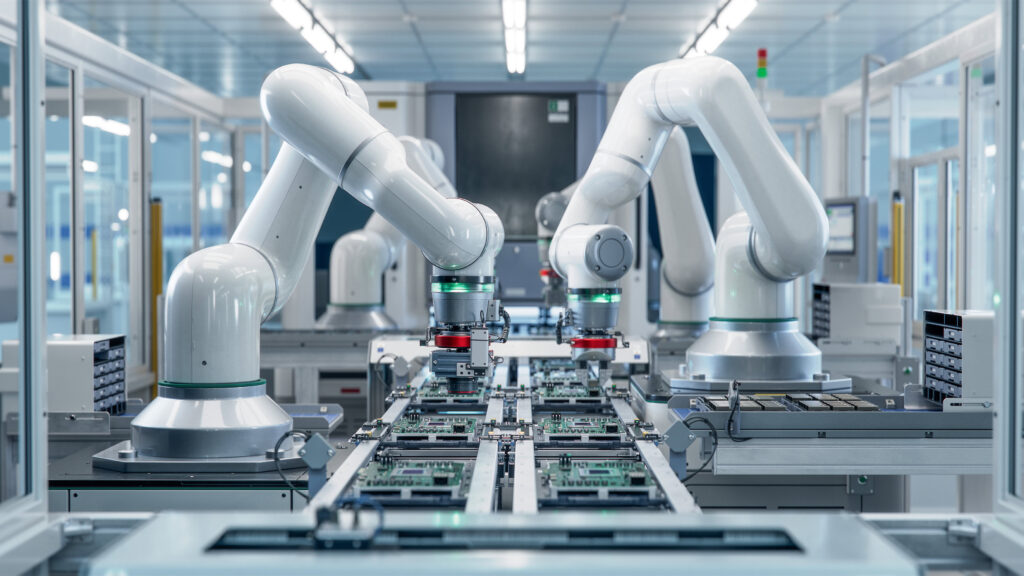
AI’s role in cleanrooms goes beyond design and maintenance. In daily operations, AI can support environmental monitoring, automate control systems and enhance procedural adherence.
Potential applications include:
- Real-time environmental condition alerts based on sensor thresholds
- Automated cleaning deployment where contamination risk is highest
- AI-assisted access control to manage personnel movement and reduce cross-contamination
These operational enhancements can reduce manual workload and increase safety, especially in high-throughput or multi-product environments.
5. Learning and improving over time
Perhaps the most powerful aspect of AI in modular cleanroom design is its ability to learn. Every cleanroom generates data. With the right systems in place, AI can analyze this information to continually refine performance and inform future design decisions.
As modular cleanroom systems become more widespread, AI can support:
- Design feedback loops that incorporate real-world performance outcomes
- Auto-generated layout adjustments tailored to specific equipment or process needs
- Continual airflow and contamination control optimization based on historical trends
This creates a future where modular cleanrooms are not just validated once and left static, but continuously improved as operating conditions evolve.
Looking ahead
AI builds on the digital foundations already transforming modular cleanroom design. When integrated with tools like computational fluid dynamics and building information modeling, AI offers the ability to predict, adapt and enhance cleanroom performance at every stage – from initial planning to long-term operation.
As demands on pharmaceutical manufacturing continue to grow, the ability to make data-driven, proactive decisions will be essential. AI will not replace the expertise of cleanroom designers and engineers, but it will amplify their impact, making tomorrow’s cleanrooms smarter, safer and more resilient.
Want to learn more about how AES is shaping the future of modular cleanroom design? Reach out to our expert team.