








Overview:
In aseptic manufacturing, contamination is a critical product-quality risk, and sterility cannot be tested into the finished product. Every point where sterile product is exposed to the environment, equipment surfaces, or personnel creates a potential pathway for contamination and the risk of a non-sterile unit reaching a patient. EU GMP Annex 1 addresses this risk by shifting contamination control away from reliance on end-of-line assurance and toward a proactive, risk-based Contamination Control Strategy (CCS), making the facility itself the primary risk-mitigation control.
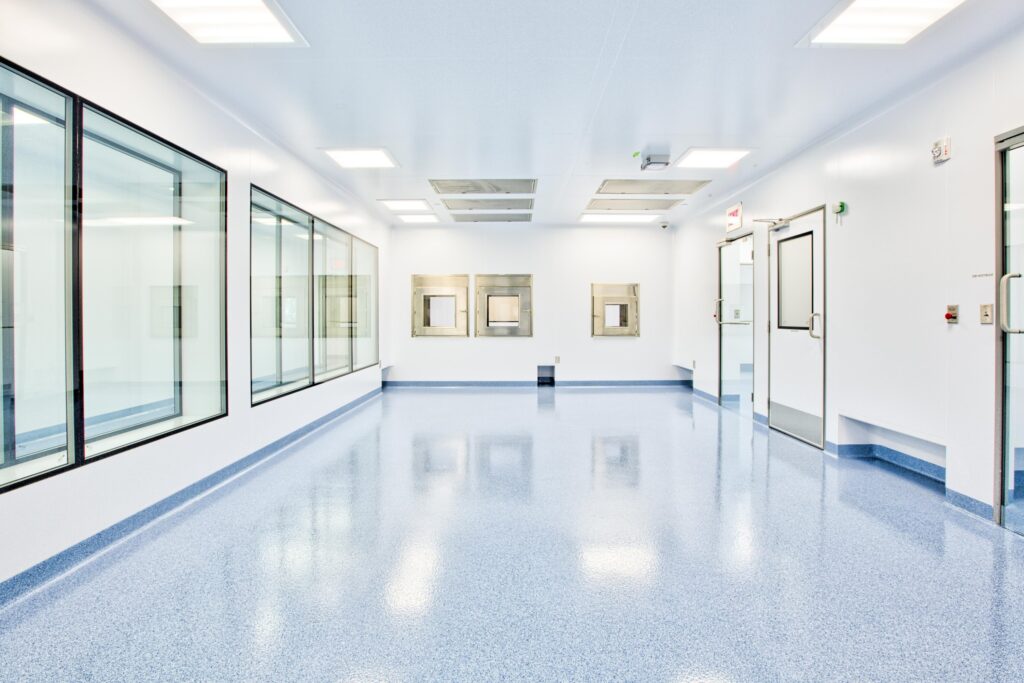
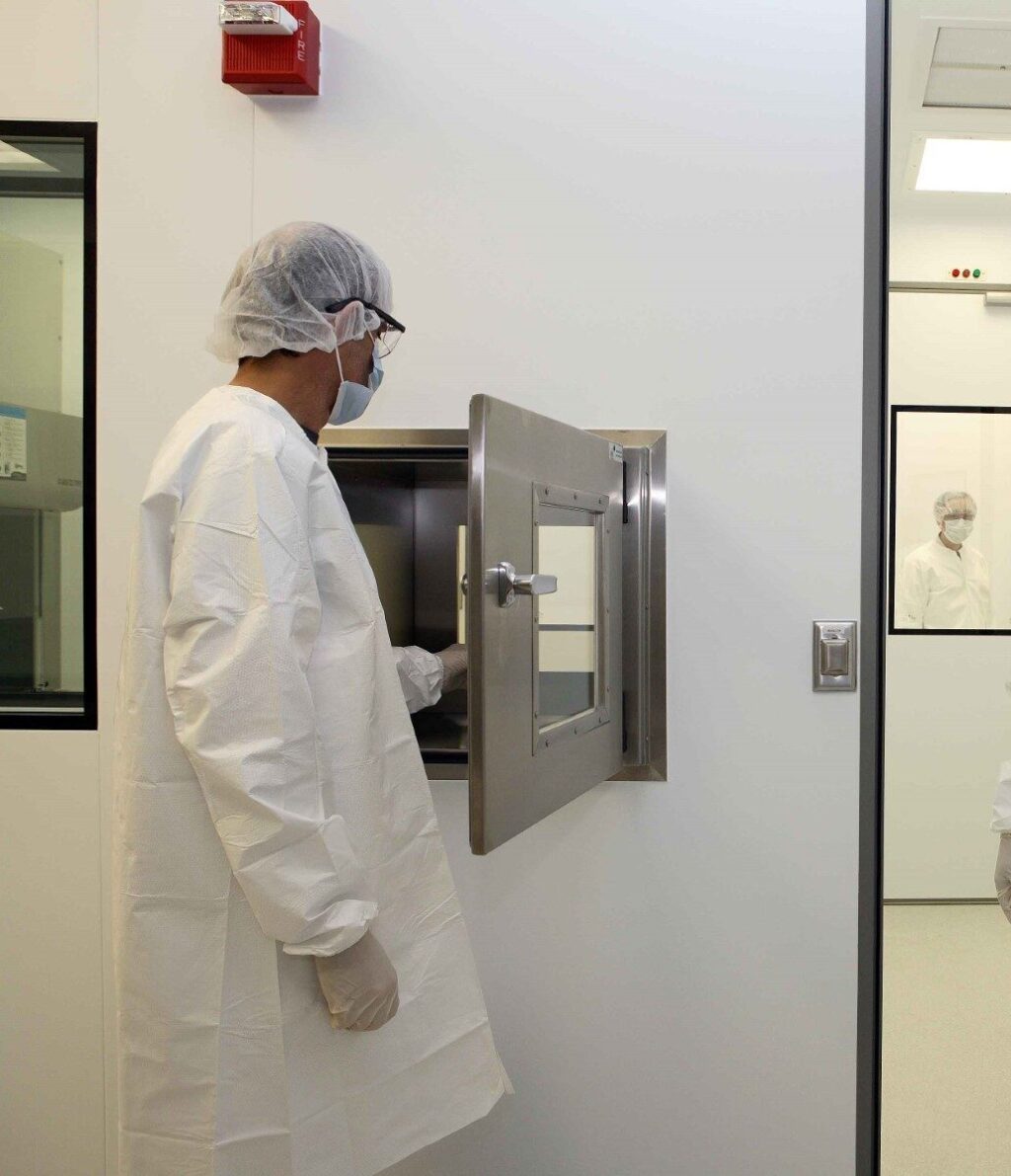
This session will focus on where contamination risks are concentrated, including open-product exposure, aseptic connections, operator interventions, and material transfers, and how Annex 1 raises expectations for cleanroom design. Because personnel are a leading source of contamination, their impact must be addressed through facility and process design rather than relying solely on procedural controls. First-air protection, barrier technology, unidirectional airflow, validated pressure cascades, and smoke-study verification must work together as part of an integrated contamination-control approach that extends from design through operation.
Key Learning Objectives:
- Recognize what Annex 1 expects for controlling known contamination risks in aseptic processing and how those control expectations translate into cleanroom design
- Use the Contamination Control Strategy as the connective thread from concept design through operation; embedding it into the design basis to deliver an end-to-end cleanroom solution that supports the process operations
- Connect the aseptic failures behind common FDA 483s and Warning Letters to the front-end design decisions that can mitigate them, so contamination control is proven in the design rather than defended at inspection
Speakers:

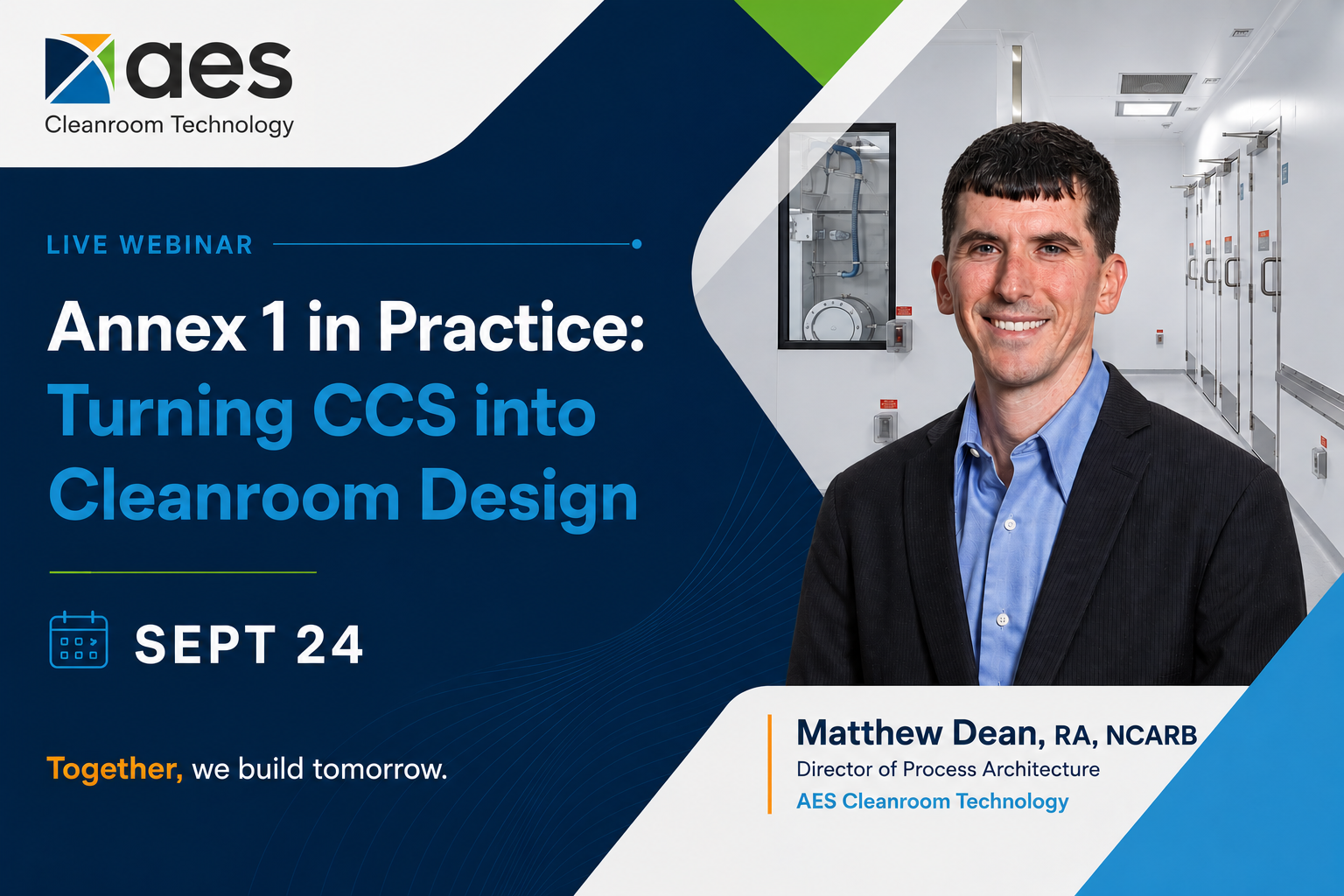
Matthew Dean (RA, NCARB, LEED GA)
Director of Process Architecture, AES Clean Technology, Inc
With nearly two decades of experience, Matthew is a highly specialized Process Architect focusing on cGMP design strategies and implementing regulatory guidance practices into the design of research, clinical trial, pilot and commercial scale manufacturing pharmaceutical facilities. Matthew leads the Compass Conceptual Design program by bringing a broad breadth of knowledge of vaccine production, fill-finish, OSD, bulk bio-tech, Cell and Gene Therapeutics and compounding process technologies to clients to define end user requirements. Encompassing detailed knowledge of viral vector processes, bio-safety containment and occupational exposure bands enables Matthew to deliver compliant design strategies to clients. He thoroughly defines the interrelationships between the client’s process and the facility requirements that integrate into fit for purpose turnkey cleanroom solutions to support clients in starting on the right path for a successful project.
Complete the form to watch the full session here.

